What Do We Do?
I have so much to tell about communities, I don’t know where to begin. In the end, it almost feels like I shouldn’t say anything. But the time is critical, and it’s crucial to talk about communities today. Right now.
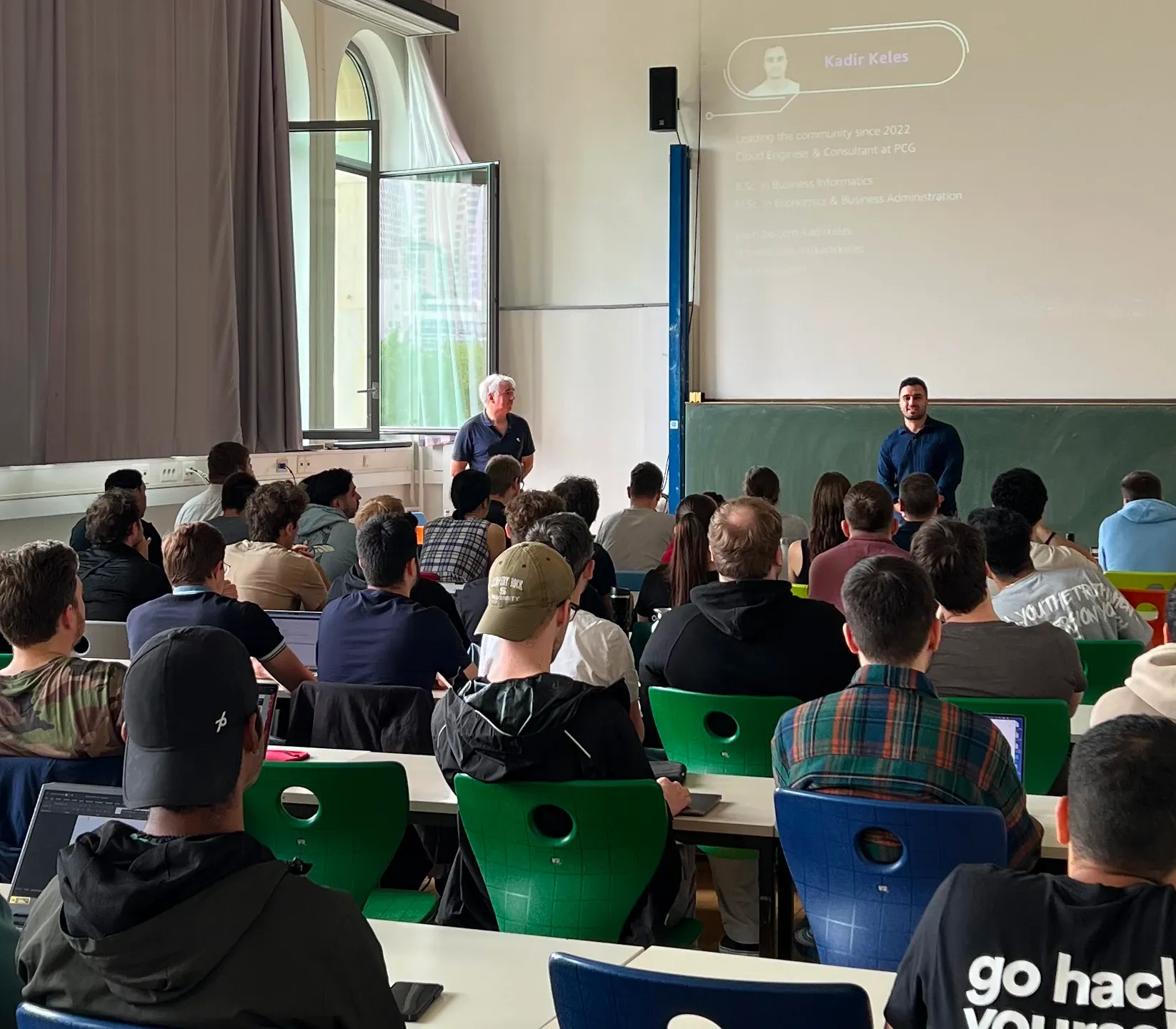
A stereotypical developer is introvert, lonely, a bit odd, definitely shy. A kind of individual that is hard to make friends, and tough to concentrate. The developer that I observe at least once a month is the opposite. Outgoing, exciting, social and definitely engaging.
I learn a lot from the smartest minds living in Berlin. Everyone is extraordinary. Everyone is special. My bag is full of learnings and inspiration when I’m on my way back home. So what is the problem?
To me personally, there is no big problem. At least not anymore! But to communities in general, there is an oncoming problem: the intention.
A community cannot survive without an ideal - there should be a motive in behind that connects the entire tribe together. A community cannot survive without money, too - there should be institutions, several ideally, that boost the community and provide all resources to function.
Yet, the institutions (aka sponsors) should exist and present themselves for the good of the community, not the other way round. The community should not serve the sponsor. The sponsor should serve the community. Do a favor, rent the venue, order the pizza, gain the respect, and move on.
This is changing. That’s not how things run anymore. The reason behind: institutions are currently too confident to think, that they can function things without a direct human interaction. All community leaders agree on this, then the financial situation (Though I disagree on that. When was it last time we thought that the economy is doing well anyways?)
The hard truth is, this is not the major reason in my opinion. The real reason behind: communities don’t know how to provide an added value. They don’t treat community events as a source of truth. They treat them as “gatherings”. They don’t tend to improve standards, collect data, gather feedback, create collaborations, and use technology.
Take a look at how communities were run ten years ago. Then take a look at today. It’s the same. Almost nothing changed. Just fancier slides, comfier chairs, warmer pizza. But it’s all same.
I want to change it. So I will change it.
Just wait for it.